Furniture Supplier Went Silent in Brazil: What to Do Now
Written by Matheus Ximenes Pinho, founder and managing director of Vista Furniture Co.
Vista Furniture Co. is an independent sourcing consultancy in São Paulo. We work for furniture buyers, never for factories.
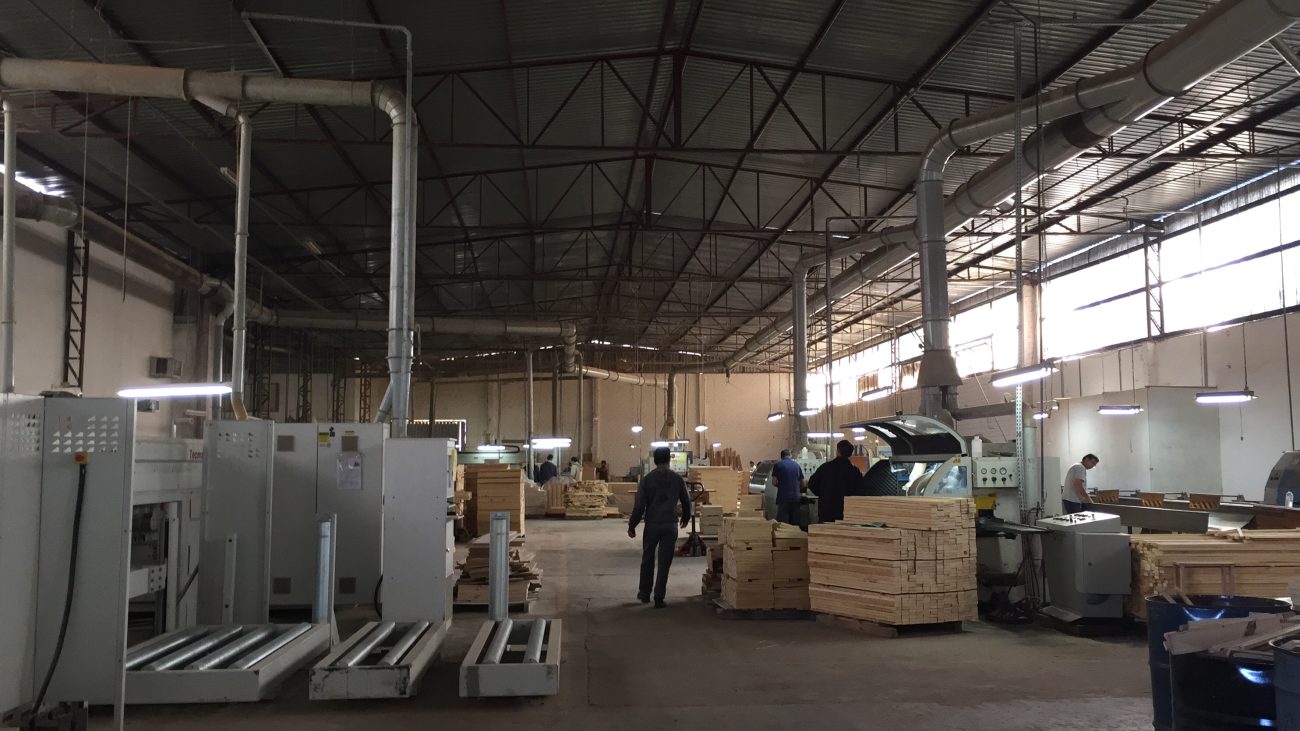
If your furniture supplier went silent in Brazil, stopped answering emails, gone quiet on WhatsApp, or started giving vague, shifting excuses about a shipment that was supposed to leave weeks ago, you are not alone, and this is not automatically a disaster. It is common enough that a clear pattern exists for how to respond, and what you do in the next few days matters more than what already happened. This guide covers why factories go silent, how to tell a temporary problem from a serious one, and the practical steps to take before you assume the worst or, just as risky, assume it will resolve itself.
Why a factory actually goes quiet
Silence rarely means what buyers fear most. The common causes behind a supplier going quiet include a cash-flow problem inside the factory, a missed production deadline the salesperson is avoiding telling you about, a staff departure that left no one managing your account, a trade fair or holiday period, or, in a smaller number of cases, a factory that has quietly subcontracted your order to a workshop it never disclosed and lost some control over the result. Silence on its own does not prove fraud. Most delayed responses trace back to an uncomfortable update someone did not want to send, not to a factory that intends to disappear with your deposit.
Smaller Brazilian factories, in particular, sometimes run without a dedicated international sales role, meaning the same person handling your order is also on the production floor, managing domestic clients, and juggling whatever crisis is loudest that week. That is not an excuse for going silent on a paying client, but it explains why the silence often traces back to being overwhelmed rather than to any intent to deceive, and it is a meaningfully different situation from a factory that has actually closed, sold the raw materials, or never had the capacity to fulfill the order in the first place.
Brazil adds a layer worth knowing. Communication gaps are sometimes genuinely about language and time zone rather than concealment, and documented patterns in cross-border supplier communication show that time zone differences, unclear inquiries, and a preference for messaging apps over email are common, mundane reasons a response takes longer than a buyer expects, well short of anything resembling bad faith. A factory contact more comfortable in Portuguese may go quiet simply because writing a complicated update in English feels harder than not writing at all. That is a real, common, and fixable cause, and it is worth ruling out before assuming something worse.
The combination that actually signals danger
One pattern is worth treating seriously every time it appears. When a deposit has already been paid, the promised completion date is close or already passed, and no independent person has physically confirmed that your goods exist and are in the condition claimed, that combination is a real risk regardless of how it happened. Silence with money already committed and no independent verification of the goods is, as sourcing recovery specialists put it, an order-control problem, not a customer-service annoyance. That framing matters, because it changes what you do next from waiting politely to acting deliberately.
This pattern is well documented across international sourcing more broadly, not unique to Brazil. Recovery specialists who handle these disputes regularly describe the same sequence repeating: a partial delivery or a promising start, quality that seemed acceptable, and then a slow fade into unanswered messages once a problem the factory does not want to admit takes hold. The buyers in these cases often had more leverage than they realized, precisely because they assumed silence meant the situation was hopeless rather than treating it as a problem with known, workable responses.
What to do in the first 48 hours
The instinct to send another "any update?" message is understandable and usually unproductive. A more effective approach follows a specific sequence.
Stop new exposure immediately
Do not send a balance payment, approve a shipment, or accept a change to previously agreed banking details until the supplier and the order status are independently verified. A silent factory that suddenly resurfaces asking for more money, or with new payment instructions, is a separate and more serious warning sign than silence alone.
Send one organized message, not five scattered ones
A single, clearly structured notice tends to produce a better result than repeated informal check-ins. Include the purchase order number, the products and quantities involved, payment dates and amounts already sent, the promised completion date, and the date of the last meaningful response you received. State plainly what you need and by when. A vague, emotional message is easy to ignore. A specific, documented one is harder to.
Verify the business independently
Confirm the factory's registered legal name, business registration status, and address through a source that does not depend on the factory itself. In Brazil, this means checking the CNPJ, the company's federal tax registration, against public records rather than only the name printed on an invoice. A mismatch between the name on your contract and the name on the actual registration is a serious finding, not a technicality.
Get eyes on the goods, physically, if the stakes are high
If the order value and the risk justify it, arrange for someone independent to visit the factory in person and confirm the goods actually exist, in the condition and quantity claimed, before relying on another promise over email. A phone call from a third party can sometimes restart communication on its own. A physical, independent visit tells you something a phone call cannot: whether the goods are real.
When to escalate, and how
If a reasonable, documented deadline passes with no substantive response, escalation is appropriate and should be calm rather than adversarial at first. A local visit, arranged through someone who can act on your behalf in Brazil, is usually more productive than a foreign lawyer's letter arriving by international courier, both because it is faster and because a factory that has gone quiet out of embarrassment or overwhelm often responds differently to a real, present person than to a formal legal document. A phone call or a visit from someone local, speaking Portuguese, asking a direct but non-confrontational question, frequently produces a response within hours after weeks of silence, simply because it removes the distance and the language barrier that made avoidance easy.
Framing the first escalation as a preference to resolve the matter directly, rather than an opening legal threat, keeps the door open while still making clear that the silence has consequences. Something as simple as noting that you would rather sort this out privately than involve a marketplace's dispute process or a formal complaint tends to focus a factory's attention without immediately triggering a defensive, uncooperative response. Escalation is a ladder, not a single step, and starting near the bottom of it usually resolves more situations than starting at the top, especially when a furniture supplier went silent for a mundane reason rather than a malicious one.
If the situation involves a genuine loss, a deposit paid with no goods and no cooperation after a serious, documented attempt to resolve it, that becomes a legal and financial recovery question rather than a sourcing one, and it is worth involving someone with the right expertise for that specific problem rather than treating it as a communication issue to be patched. Cross-border disputes are genuinely harder and slower to pursue formally than buyers hope, which is exactly why the earlier, informal steps above are worth exhausting first, not because they always work, but because the alternative is expensive and uncertain even when it does.
How this connects to preventing the next one
A supplier going silent is rarely the first sign of a problem, it is usually the last one, arriving after warning signs a buyer had no independent way to see earlier. That is the case for verification before the relationship starts, not only after it breaks down. Our guide to how to vet a furniture factory covers what to check before a first order, including production history and financial standing, the exact things that predict whether a factory is likely to go quiet under pressure. And the same independence question that matters during a crisis matters just as much beforehand, covered in our look at genuinely independent third party inspection, since a factory relationship where no independent person has ever visited is a relationship with no early warning system at all.
If the relationship was arranged through an agent or intermediary, it is also worth revisiting whose interest that person was actually serving once things go quiet, a question we cover in furniture sourcing agent Brazil. An agent paid by commission has a real incentive to reassure you that everything is fine for longer than the facts support.
What a buyer-side partner does differently in this moment
Vista Furniture Co. is a buyer-side sourcing consultancy in Brazil, and a supplier going quiet is exactly the kind of moment independent, on-the-ground presence matters most. We are based in the country, we can arrange or conduct a physical visit to a factory in a way a buyer managing everything from abroad cannot, and because we are paid by the buyer only, our priority when a factory goes quiet is finding out what is actually true, not protecting an introduction or a commission tied to the order closing.
We also speak the language a nervous or overwhelmed factory contact is often more comfortable in, which changes the tone of that first conversation more than buyers expect. A message in Portuguese, from someone local rather than a foreign email address, frequently gets a different, faster response than the same request written in English from abroad, simply because it removes both the language barrier and the sense of distance that made avoidance feel easier.
If you are in the middle of a silent-supplier situation right now, the fastest useful step is usually independent, physical confirmation of what is actually happening at the factory. If you are reading this before a crisis, the more valuable step is qualifying the factory well enough beforehand that this situation is far less likely to happen at all.
The short version
A furniture supplier went silent in Brazil is common and usually explainable, a cash-flow problem, a missed deadline someone is avoiding admitting, a language gap, rather than a factory that set out to disappear with your money. The exception is a specific, dangerous combination: a paid deposit, a passed deadline, and no independent confirmation the goods exist. When that combination appears, stop new payments, send one clear and documented message, verify the business independently, and get eyes on the goods in person if the order justifies it. Waiting politely is the most common mistake buyers make in this exact moment, and it is usually the one that costs the most.
Talk to us before your first order.
Matheus Ximenes Pinho is the founder and managing director of Vista Furniture Co. He has spent more than twenty years in home and décor, fourteen of them in the Brazilian furniture industry, working across product design, manufacturing, and digital retail. He advises international retailers, brands, hotel groups, and developers on sourcing furniture in Brazil with less risk and better decisions.
Vista Furniture Co. is a buyer-side furniture sourcing consultancy founded by veterans of Brazil's furniture and home industry. We work with global retailers, brands, and hospitality buyers in two ways: qualifying suppliers and reducing risk before the first order, and developing collections built for the buyer's market. We are buyer-paid and independent. You buy directly from the supplier you select. Talk to us before your next order.
