Upholstery
Sofas, sectionals, armchairs, dining chairs, benches and upholstered beds.
What decides it
The cover is the part a buyer inspects and the part that matters least.
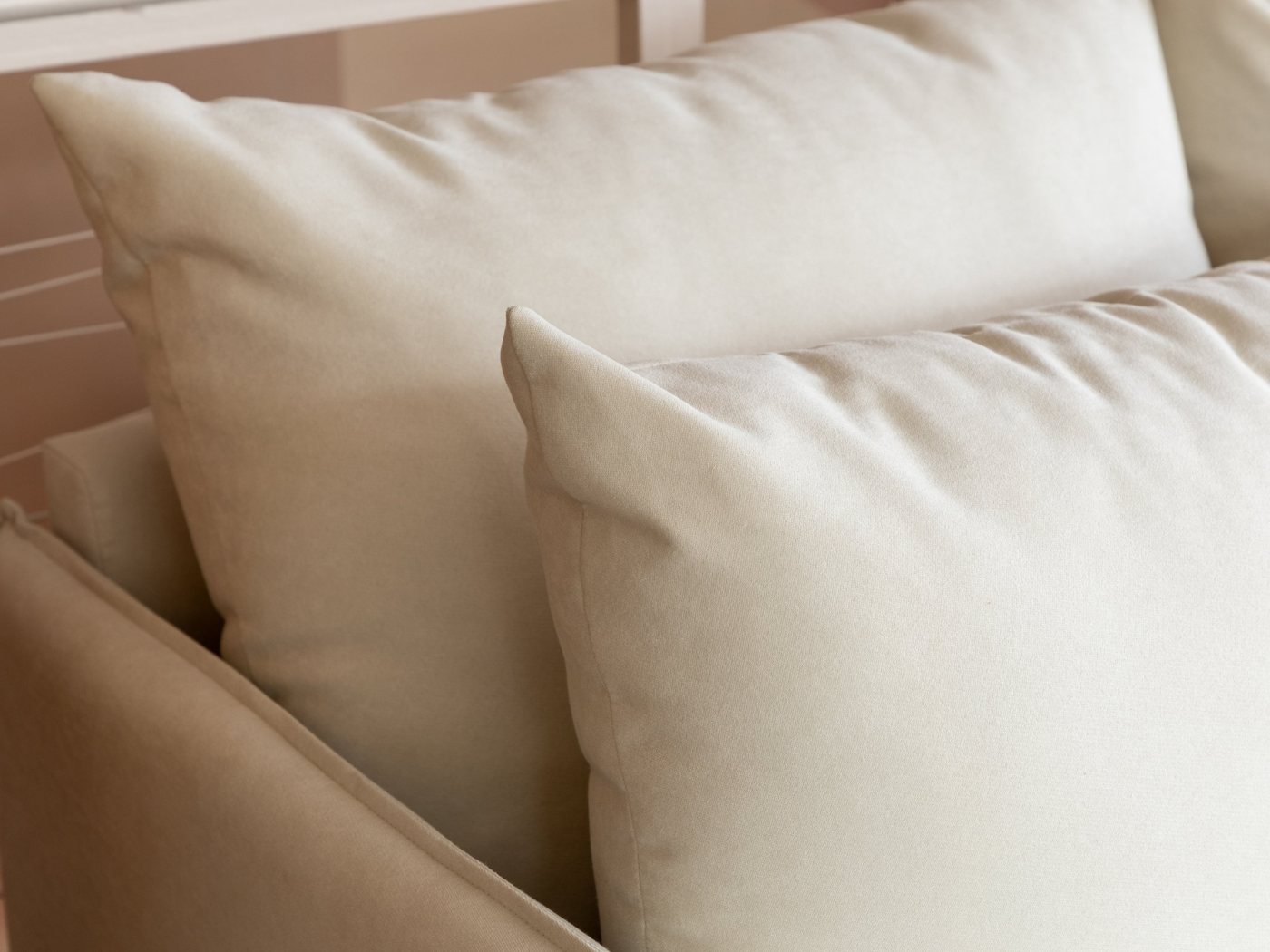
The cover is the part a buyer inspects and the part that matters least. Frame species and moisture, suspension, foam density and seam construction decide whether the piece survives two years of use, and none of them are visible once the fabric is on. Destination flammability rules apply to the materials inside, not to the look.
Why the piece is worth having
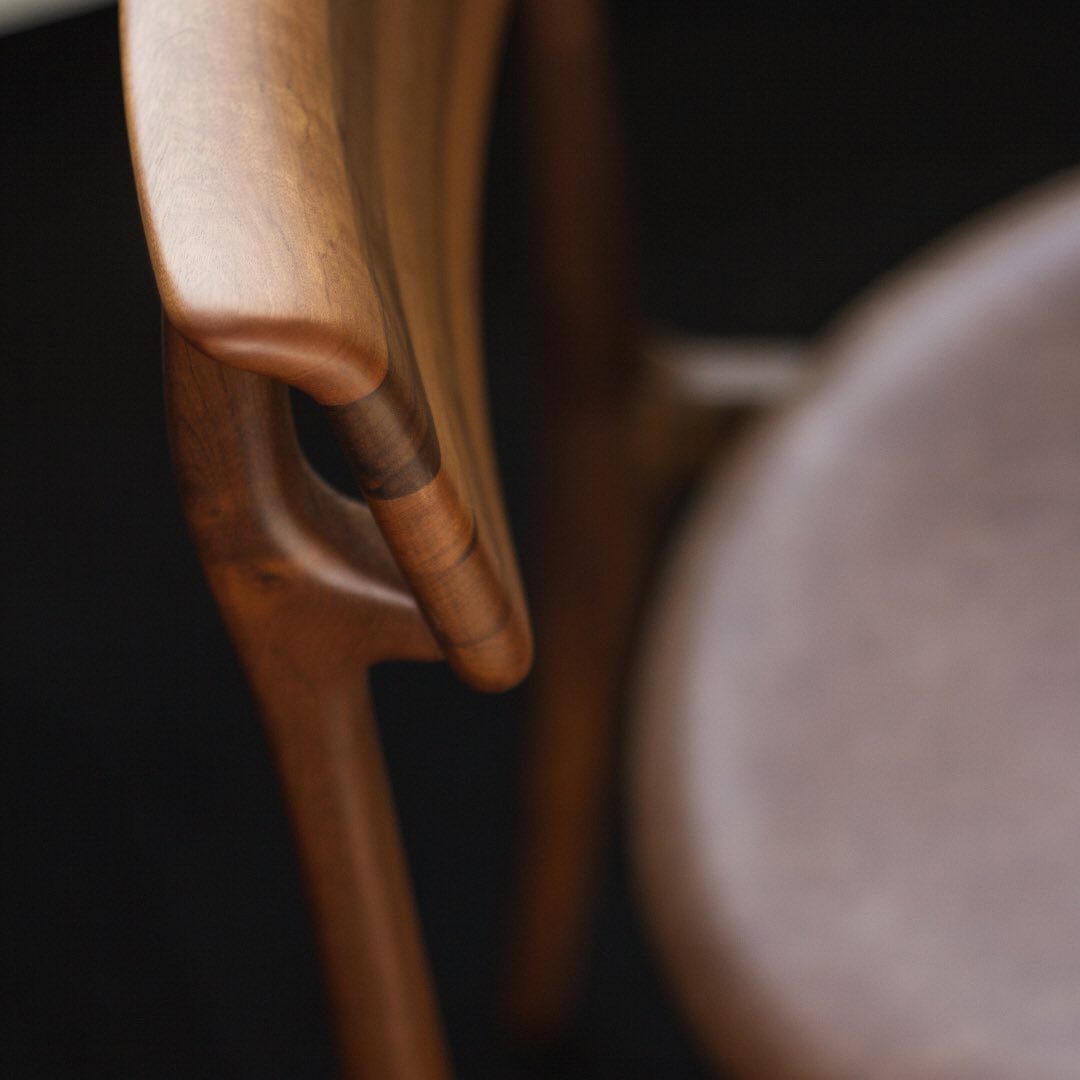
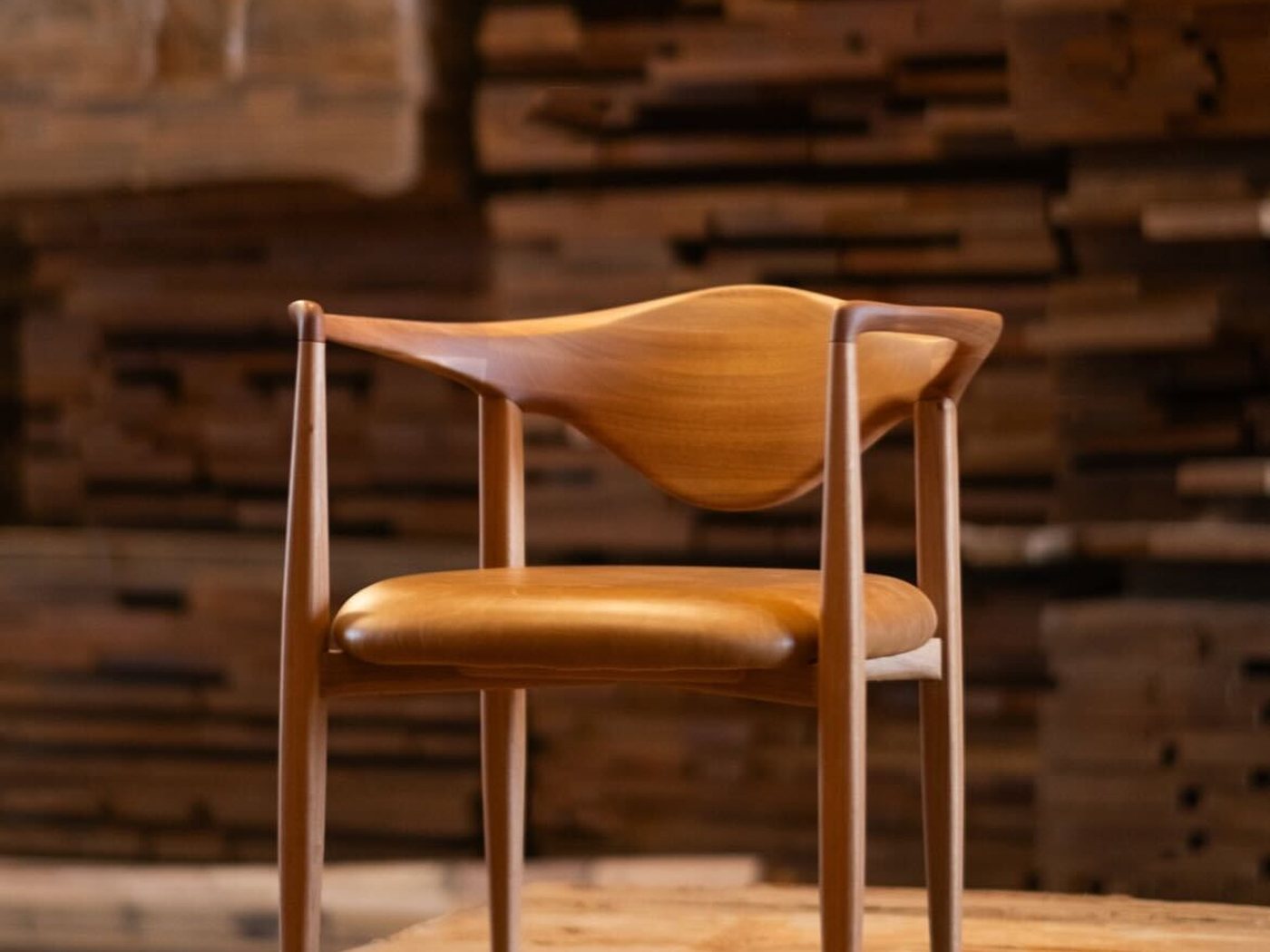
Brazilian upholstery is frame-first. The tradition that runs from Joaquim Tenreiro and Sergio Rodrigues through to the studios working now treats the timber structure as the design and the cushion as something laid into it, which is the opposite of how most volume upholstery is conceived. It is also why a Brazilian armchair tends to read as a piece of furniture from behind.
Where Brazil does not win
Not on price at volume into North America or Europe. Poland is the world's second largest furniture exporter and China the largest, and both quote below Brazil on standardised upholstery at scale; for a buyer shipping into the United States, Mexico adds duty-free access on top. Inside Mercosur that comparison weakens considerably, because Polish and Chinese goods arrive carrying the common external tariff and six weeks of ocean freight that Brazilian goods do not. Brazil's case is frame construction, species and design, and in the Southern Cone also simple arithmetic.
Where it is made
Rio Grande do Sul, and the Arapongas cluster in Paraná for volume production.
Minimum order
Across our network, a first order usually starts somewhere between USD 10,000 and 20,000. That is a planning figure, not a quote: it moves with the manufacturer, the category, the complexity of the piece and the production run behind it. Some factories go lower for a first trial, others will not open an account below a container. That is the arithmetic of production from a factory. Where the work is authored or an edition, bought from a studio or a gallery rather than off a production line, the minimum is set by the piece rather than by the run, and the figures above do not apply.
What to ask on the first call
A vague answer to any of these is itself an answer.
- What species is the frame, and what was its moisture content when the frame was assembled?
- What is the foam density, who supplies it, and does the piece hold the destination flammability test as an assembled system rather than as separate components?
- Show me the seam allowance and the pattern-match standard on the approved sample, and tell me what happens when a fabric lot changes mid-run.
Insights
Guides in this category
3 guides.