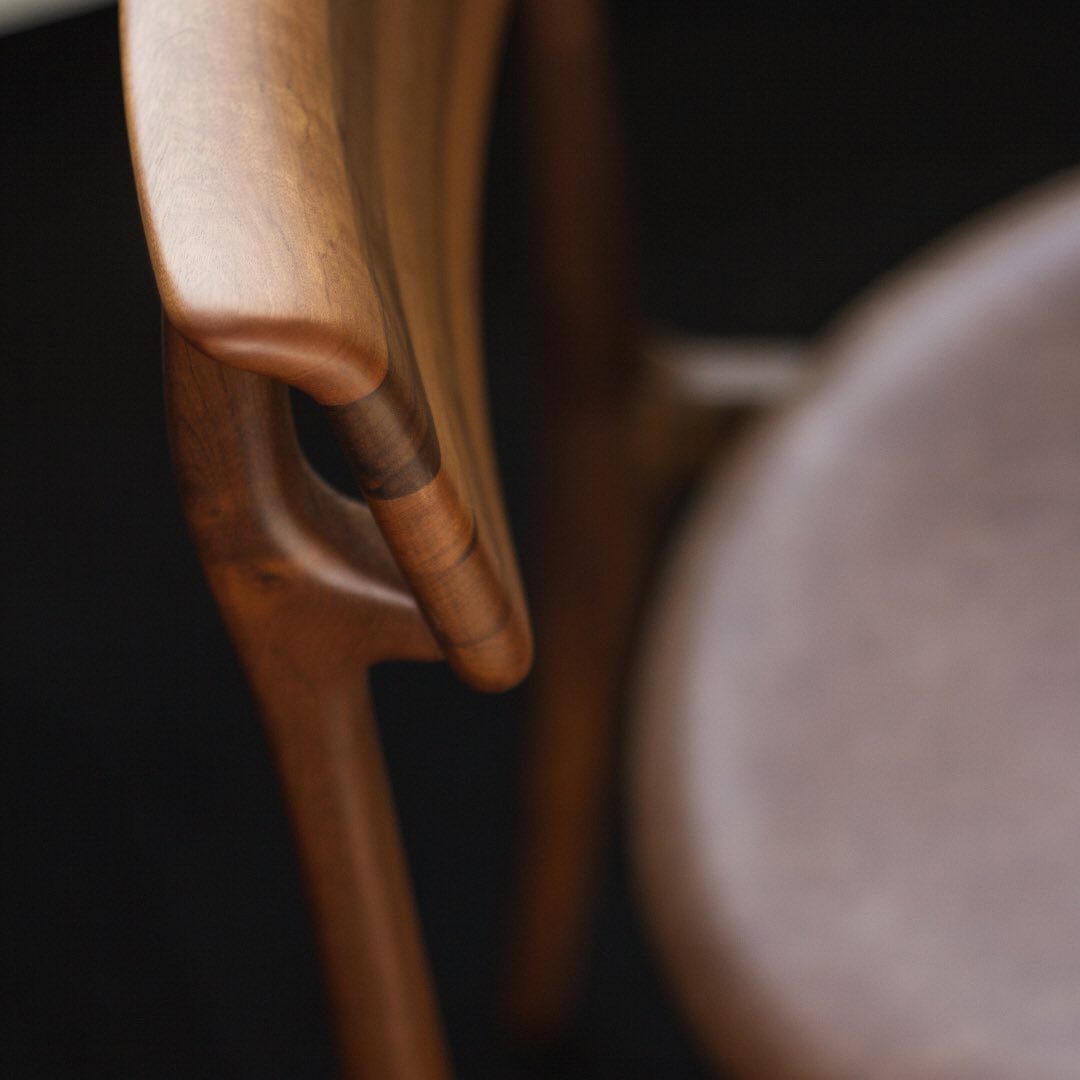
Solid Wood
Dining tables and chairs, beds, sideboards, occasional and case pieces in solid timber.
What decides it
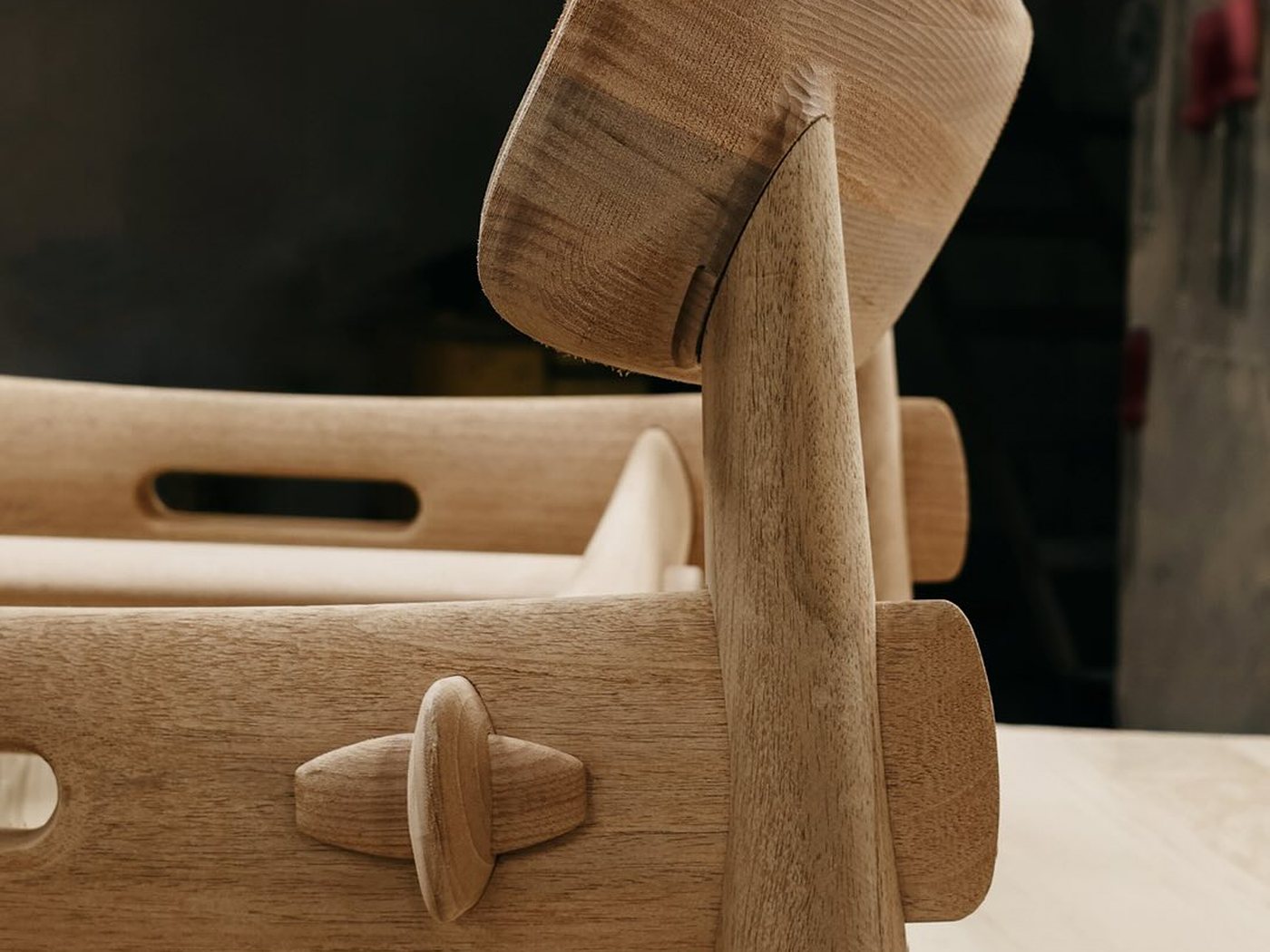
Moisture content, and whether the joinery allows the wood to move.
Moisture content, and whether the joinery allows the wood to move. A table dried to Brazilian ambient humidity and shipped to a heated interior in Toronto will relieve its own stress by splitting. Species identification matters too: a commercial name can cover several botanical species with different behaviour and different paperwork.
Why the piece is worth having
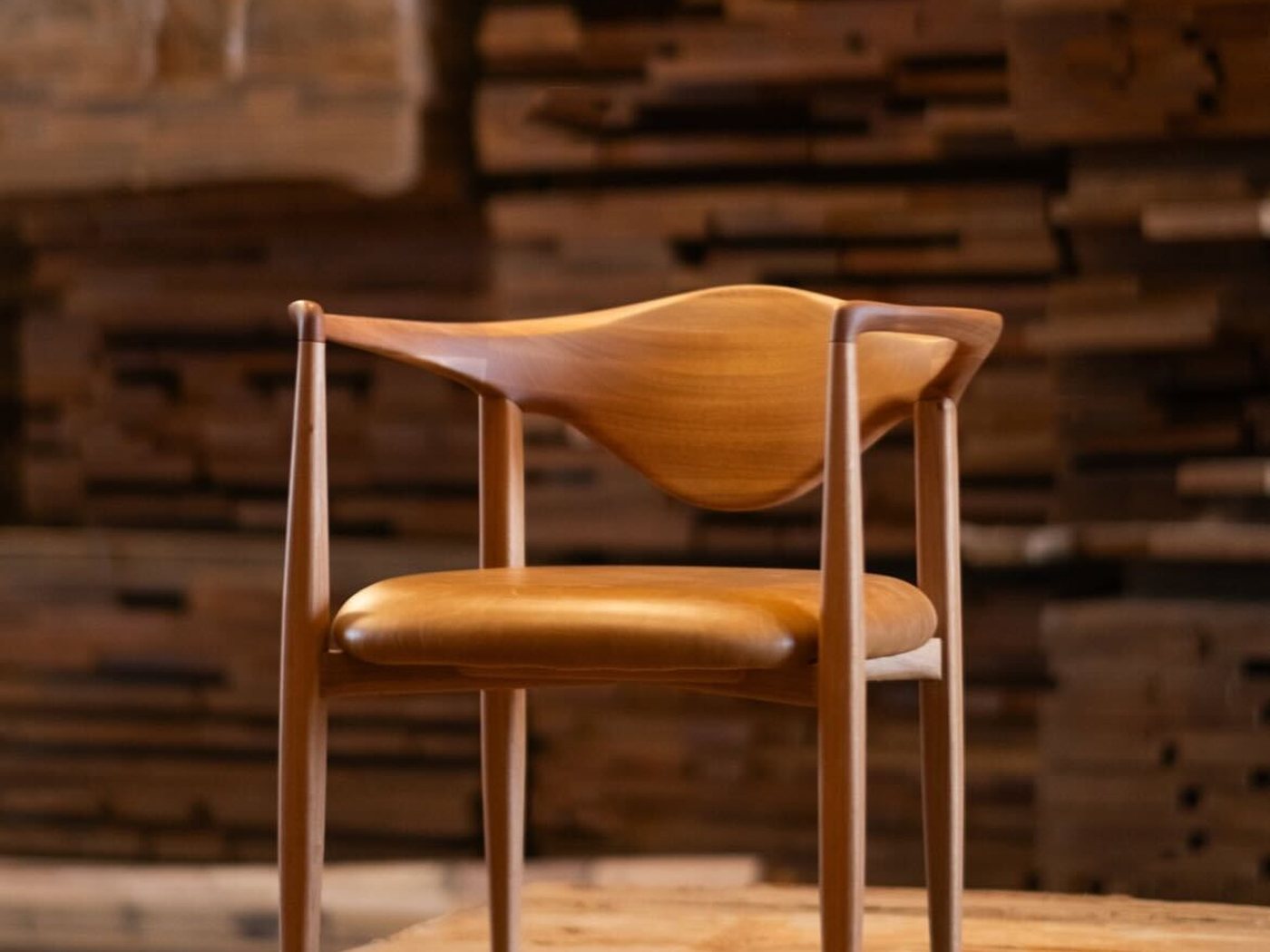
No other origin has the species range, and the country has a modernist tradition that worked them rather than hiding them. Joinery is usually meant to be seen. For a buyer building a range, that means a dining programme can be specified around a visible structural idea instead of around a finish.
Where Brazil does not win
Not on standardised mass-market pieces, where Vietnam prices below Brazil on comparable construction, and not on speed into Europe, where Poland sits inside the single market and moves goods overland in days. Both of those are advantages into North America and Europe specifically. For a buyer in Latin America neither applies, and the comparison returns to species, documentation and construction, which is where Brazil is strongest.
Where it is made
São Bento do Sul in Santa Catarina, and Bento Gonçalves in Rio Grande do Sul.
Minimum order
Across our network, a first order usually starts somewhere between USD 10,000 and 20,000. That is a planning figure, not a quote: it moves with the manufacturer, the category, the complexity of the piece and the production run behind it. Some factories go lower for a first trial, others will not open an account below a container. That is the arithmetic of production from a factory. Where the work is authored or an edition, bought from a studio or a gallery rather than off a production line, the minimum is set by the piece rather than by the run, and the figures above do not apply.
What to ask on the first call
A vague answer to any of these is itself an answer.
- What is the scientific name of the species, not the commercial name, and which document carries it?
- What moisture content do you dry to, how do you measure it, and can I see last month's kiln records?
- Show me how this joint lets the top move across its width, and tell me what it does at six percent equilibrium.
Insights
Guides in this category
5 guides.