RTA and Flat-Pack
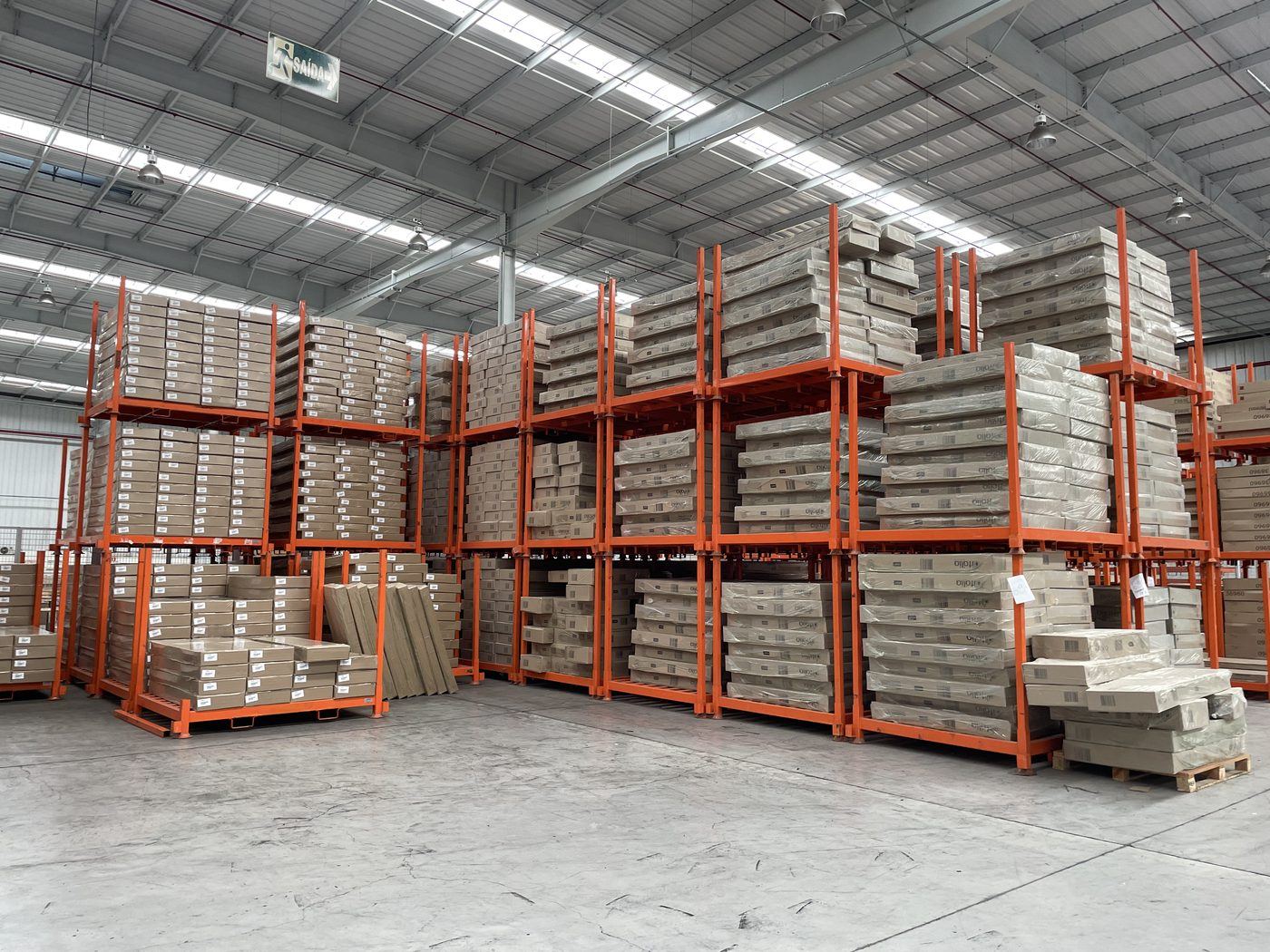
Ready-to-assemble furniture engineered for container efficiency and parcel handling, in panel and in solid wood.
What decides it
The decision has to be structural, not a later conversion.
The decision has to be structural, not a later conversion. A piece designed as assembled and then taken apart for shipping produces the assembly failures and the returns that destroy the margin the flat-pack was supposed to protect. Packaging engineering is product engineering here, and the assembly experience is part of the product.
Why the piece is worth having
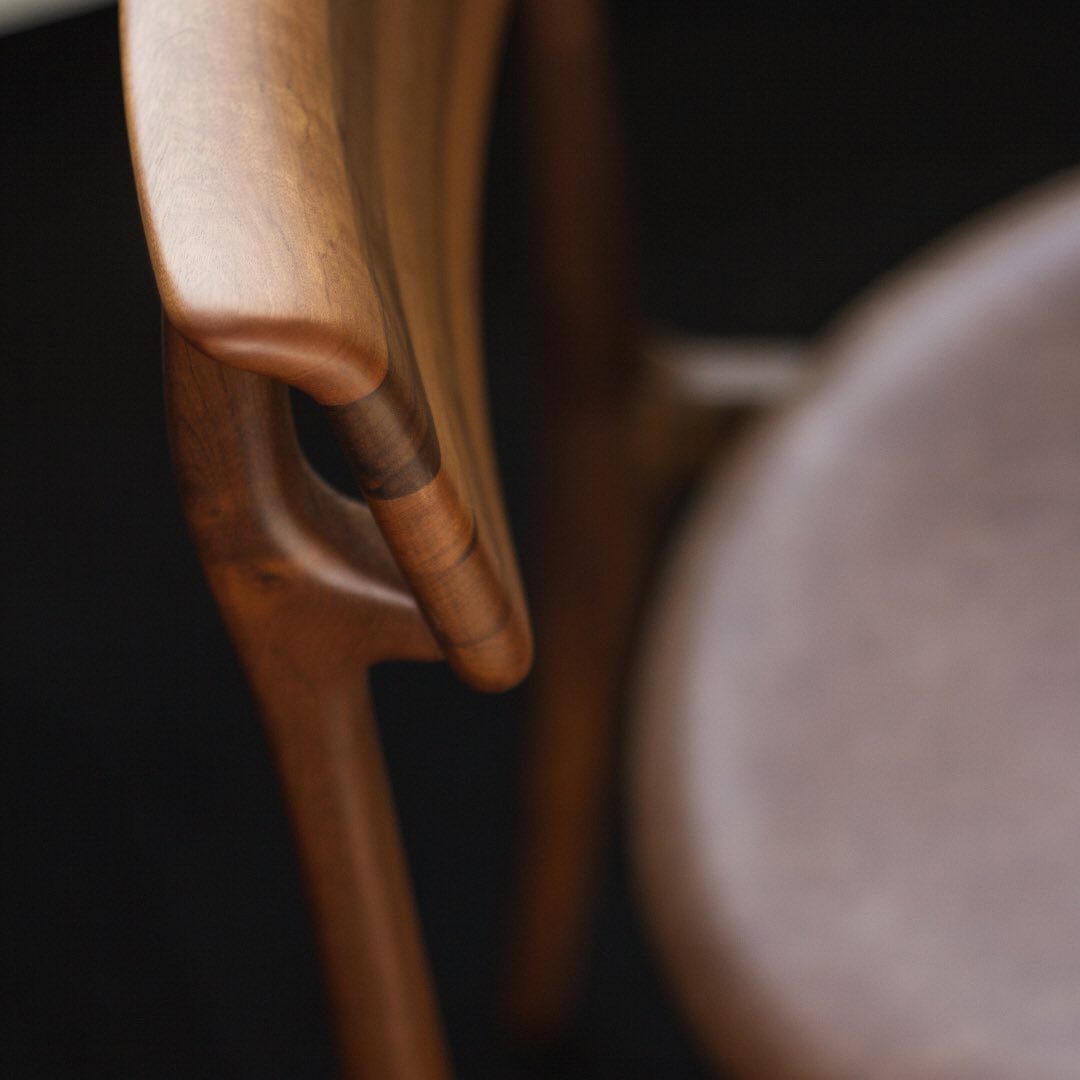
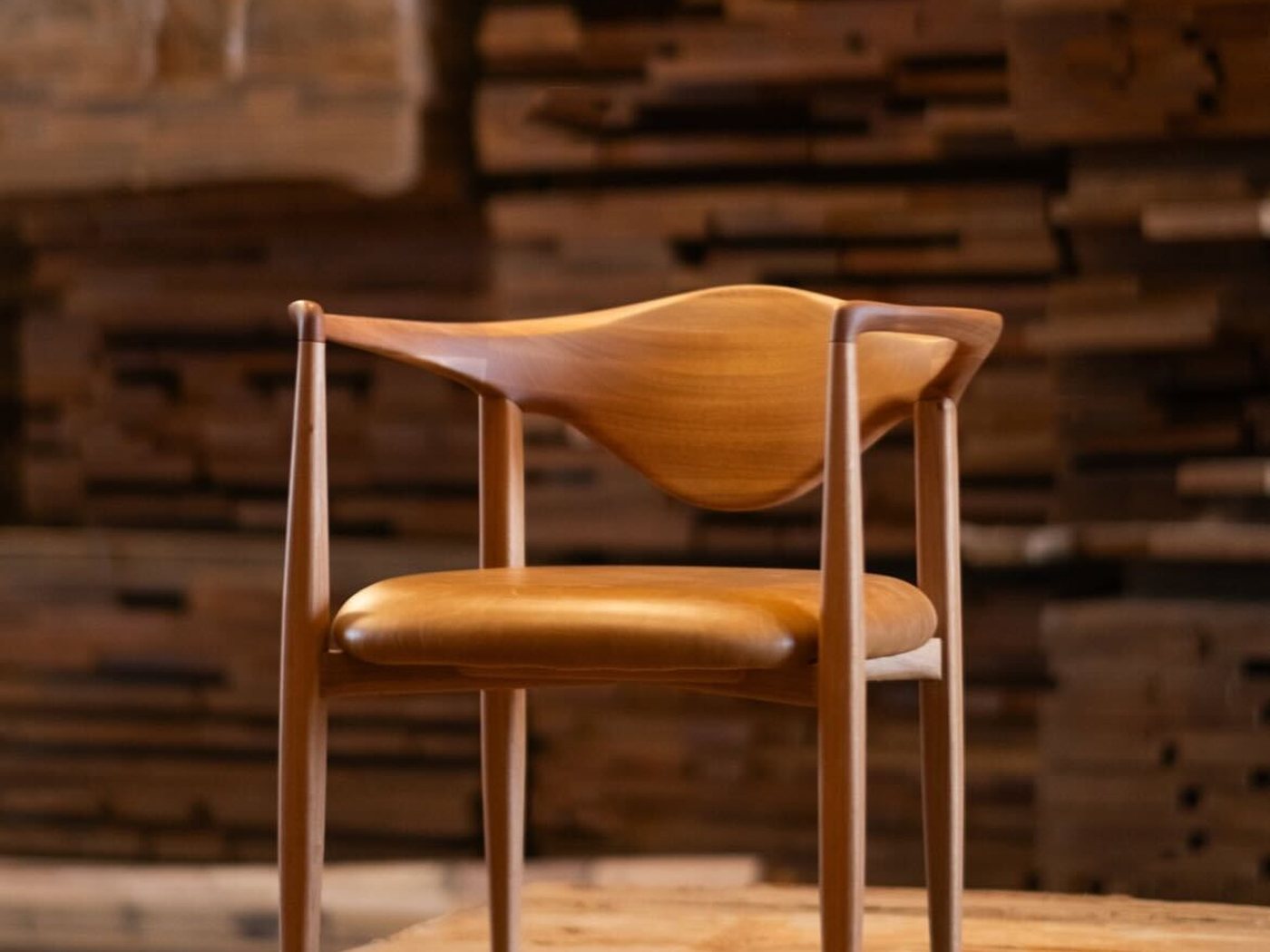
A ready-to-assemble piece that does not look ready-to-assemble. Because the base came out of timber rather than panel converting, solid wood RTA is on the table here, and that changes what the category can be in a range rather than only what it costs.
Where Brazil does not win
Not at the top of the volume curve on a price-only brief. China produces around 102 million cubic metres of reconstituted panel a year, close to 40 percent of world output. Brazil produces about 8.5 million and ranks eighth. Poland sits inside the European single market and is the largest producer of IKEA's furniture. On tens of thousands of identical units with price as the only question, both will land cheaper, and we will say so on the first call rather than three months into a sampling round.
That is a statement about scale, not about capability, and below that line the comparison changes twice. Brazil makes the panel it uses: plantation pine and eucalyptus feeding mills in the same states as the furniture plants, one of them a single MDF line in Caçador rated above a million cubic metres a year, and close to half of Brazil's panel exports already go to North America. Separately, the flat-pack base did not come only out of panel converting. It came out of timber, so factories in Santa Catarina will quote ready-to-assemble in solid wood where most origins quote it only in MDF or particleboard. A buyer arriving with one panel price sheet is running the wrong comparison on both counts.
Where it is made
Santa Catarina, around São Bento do Sul and Rio Negrinho, works solid wood and will quote ready-to-assemble in it, with panel mills at Caçador in the same state. Panel furniture concentrates elsewhere: Arapongas in Paraná, Bento Gonçalves in Rio Grande do Sul, Mirassol and Votuporanga in São Paulo. Which cluster you are quoting changes the answer.
Minimum order
Across our network, a first order usually starts somewhere between USD 10,000 and 20,000. That is a planning figure, not a quote: it moves with the manufacturer, the category, the complexity of the piece and the production run behind it. Some factories go lower for a first trial, others will not open an account below a container. That is the arithmetic of production from a factory. Where the work is authored or an edition, bought from a studio or a gallery rather than off a production line, the minimum is set by the piece rather than by the run, and the figures above do not apply.
Figures: Ibá for Brazilian and world panel production and the export split; Guararapes for the Caçador MDF line; BNDES for the cluster map.
What to ask on the first call
A vague answer to any of these is itself an answer.
- Is this quoted in panel or in solid wood, and what changes in the hardware if we move between them?
- Was this designed as flat-pack from the start, or converted from an assembled piece?
- What drop-test height did the carton pass, at what packed weight, and who ran the test?
- How long does assembly take, with which tools, and how many separate hardware items are in the bag?
Insights
Guides in this category
3 guides.