Sourcing Authored Design From Brazil: Whose Design Is It, and On What Terms Can You Make It?
Vista Furniture Co. is an independent sourcing consultancy in São Paulo. We work for furniture buyers, never for factories.
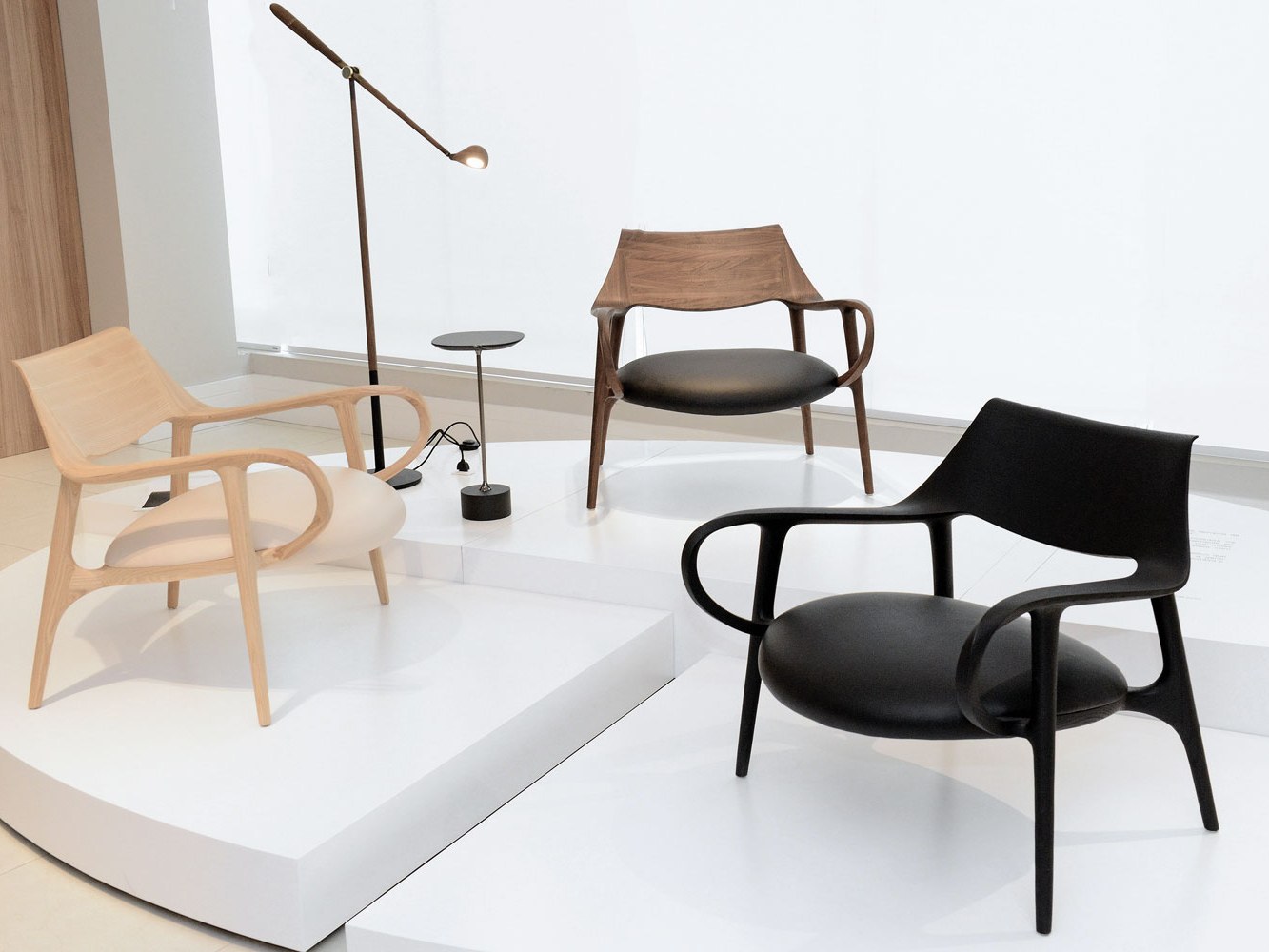
Most sourcing conversations start with a factory. This one does not. When a buyer wants authored Brazilian design, the first two questions are whose design it is and on what terms it can be manufactured, and until those are answered there is nothing to quote.
That inversion catches people out. A buyer finds a chair at a fair, asks for a price on four hundred, and discovers that the studio has no factory, that the right to produce it is held by someone else, that the piece exists as an edition of thirty, or that the designer has no interest in volume at all. None of that is obstruction. It is how the category works, and it is the reason Brazilian authorship is still largely unexported.
What protects a Brazilian design, and for how long
Two separate regimes, and buyers routinely assume the wrong one.
The reliable one is registration. A desenho industrial filed with INPI, Brazil's patent and trademark office, runs for ten years from the filing date under article 108 of Lei 9.279/1996, and can be extended three times by five years each, to a maximum of twenty-five years. It is a public register. Whether a given piece is registered, and in whose name, is checkable before a single sample is made.
The second is copyright, under Lei 9.610/1998. Economic rights run for seventy years counted from the first of January of the year after the author's death. But the list of protected works in article 7 covers drawings, sculpture and engraving, and the item on projects and sketches is written for architecture, engineering, landscaping and scenography rather than for product design in general. Copyright protection of a piece of furniture in Brazil is therefore arguable rather than automatic, and arguable is an expensive place to start a programme.
The practical rule follows from that. Do not assume a piece is protected, and do not assume it is free. Check the register. Where there is a registration, the holder's name is the party you have to deal with, and it is not always the designer: studios, former manufacturers and estates all turn up as holders.
One correction worth making out loud, because it costs buyers money. The Brazilian mid-century canon is not in the public domain. A designer who died in the 1990s or the 2000s sits comfortably inside a seventy-year term, and the estates are active. The copies of those pieces circulating at trade fairs and in catalogues are copies, and a buyer who places one is the importer of record for it.
The studio usually has no factory, and that is the whole mechanic
In Europe a design brand is often also a manufacturer, or has an exclusive one. In Brazil the common shape is a studio that designs, prototypes and sells in small numbers, and a separate plant that could make it at volume but has no relationship with the studio at all.
So the programme is a triangle rather than a line. You, the author, and a factory that has to be found and qualified. The licence settles what you may make and where you may sell it. The production agreement settles who makes it, to what standard and at what cost. Those are two different contracts with two different counterparties, and conflating them is the most common failure we see.
It also means the factory question does not disappear, it arrives second. Everything in our guide to landing on the wrong factory applies, with one addition: the plant has to be capable of a piece that was drawn without a production line in mind. Authored work is frequently designed around what one workshop can do by hand, and industrialising it is a real engineering step with a real cost.
What has to be in the licence before anyone quotes
Not legal advice, and we are not lawyers. These are simply the points that, when they are missing, stop a programme later.
Territory and exclusivity. Which countries, for how long, and whether the designer may license the same piece to someone else in a neighbouring market. Exclusivity is usually earned with volume commitments rather than granted on request.
Term and renewal. A licence shorter than the payback on tooling is a trap.
Royalty base. On ex-works cost, on landed cost or on wholesale, calculated how and audited by whom. The number matters less than the base, and the base is where disputes live.
Who owns the tooling. Jigs, moulds and fixtures are paid for by someone and belong to someone, and those are not always the same party. Say so in writing, and say what happens to them when the licence ends.
Approval rights. Whether the designer signs off the production sample, the finishes and the photography, and what the turnaround is. Authors almost always want this, and it is reasonable. Unbounded, it becomes a schedule risk.
Attribution. Whether the piece carries the designer's name, how, and whether you may use it in marketing. For most buyers this is the reason to be in the category at all.
What happens at the end. Sell-off period for stock in hand, and whether tooling is destroyed, returned or bought out.
Where a buyer intends to put its own name on the piece instead, that is a different arrangement with different risks, and we have set it out in private label furniture from Brazil. The FAQ covers what happens to your own drawings when they go to a Brazilian factory.
Edition work and production work are different purchases
An edition is a numbered, finite run, usually sold through a gallery, priced as a work rather than as a product, and often made by hand in a workshop that will not scale. A production piece is designed to be repeated.
Buyers mix these up constantly, because at a fair they sit on adjacent stands and photograph identically. The test is simple: ask what the hundredth unit costs and when it would ship. An edition has no useful answer to that question, and should not be expected to.
Both are legitimate purchases. A gallery, a hospitality project or an interior designer specifying twelve pieces is buying edition work and should buy it as such. A brand building a range is buying production and needs the licence described above. SP-Arte is the room where both are visible at once, and the trade fairs page explains which Brazilian fair serves which kind of buyer.
Where the authorship actually is
Not in one city and not at one fair, which is precisely why it does not reach buyers through directories. São Paulo concentrates the studios and the galleries. Pernambuco and the Northeast hold a distinct tradition with its own materials and its own makers, which we wrote about in sourcing design furniture from Brazil. Minas Gerais, Rio and the South each contribute something different, and a good deal of the strongest work sits with designers who have never had an export enquiry.
The material follows the same logic. Brazilian authored work leans on solid timber and on the country's species depth more than on panel, and it frequently sits alongside the objects described in sourcing decorative accessories from Brazil, where the supplier is a studio rather than a plant for the same reasons.
Scale, honestly
This is not a volume category and we will not present it as one. If the brief is four thousand units at an opening price, authored design is the wrong aisle and the categories page points at the right one. Price point is its own category and we work across it, which the FAQ sets out, but authorship carries a cost that does not disappear with volume because it is a royalty rather than a margin.
What the category does offer is the thing a buyer cannot get from a factory: a piece nobody else in your market is selling, with a name attached to it, and a story that survives being told by a salesperson.
How we work on it
Finding the work and the makers behind it, reading a range rather than a list of pieces, adapting a design for the market it is going to, and settling authorship before tooling is paid for are four of the things we do, and they are set out on the method page. We introduce, verify and structure. We do not take a position in the product, we do not represent designers, and we are paid by the buyer, which the FAQ explains.
Where a licence has to be drafted or an estate negotiated with, that is a lawyer's work and we say so rather than pretending otherwise. What we do is get you to the right author, with the register checked and the questions in the right order.
If you are building a range around Brazilian authorship, or you have found a piece and do not know who you need to talk to, tell us what you are trying to buy.
Sources
- Lei nº 9.279, de 14 de maio de 1996, article 108, term of an industrial design registration. See the INPI Manual de Desenho Industrial.
- Lei nº 9.610, de 19 de fevereiro de 1998, articles 7 and 41, on protected works and the seventy-year term. Text at WIPO Lex.
Matheus Ximenes Pinho is the founder and managing director of Vista Furniture Co. He has spent more than twenty years in home and décor, fourteen of them in the Brazilian furniture industry, working across product design, manufacturing, and digital retail. He advises international retailers, brands, hotel groups, and developers on sourcing furniture in Brazil with less risk and better decisions.
Vista Furniture Co. is a buyer-side furniture sourcing consultancy founded by veterans of Brazil's furniture and home industry. We work with global retailers, brands, and hospitality buyers in two ways: qualifying suppliers and reducing risk before the first order, and developing collections built for the buyer's market. We are buyer-paid and independent. You buy directly from the supplier you select. Talk to us before your next order.
